Embeddster
Embeddster is a test platform I built for the Embedded Systems course at ITBA. Students use it to develop and debug labs that talk over CAN and drive board peripherals.
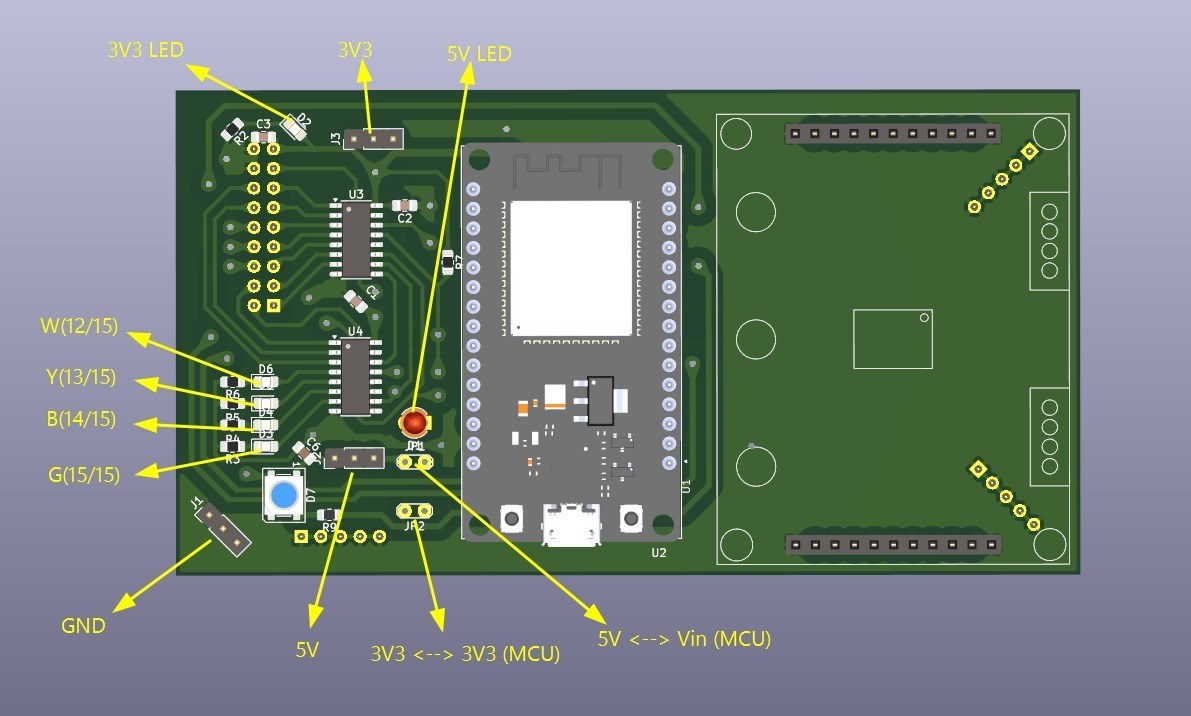
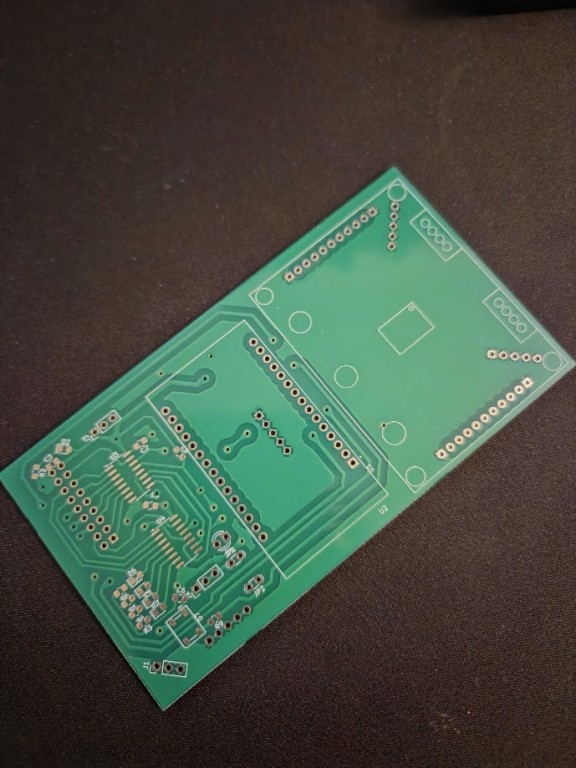
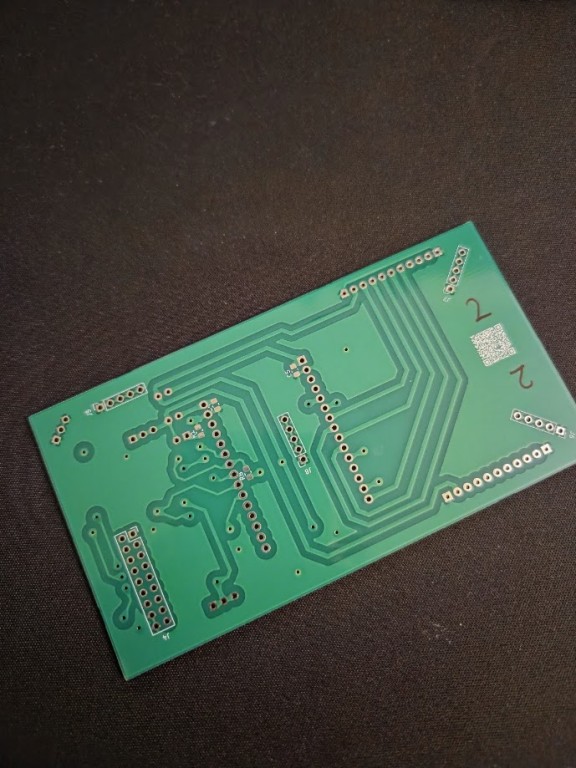
I designed the board in KiCad around an ESP32, with a CAN transceiver, a rotary encoder, seven-segment displays, an RGB LED, and status LEDs. I laid it out to be made at home: wide traces, big holes, generous pads, and routing planned around wire jumpers and homemade vias. The homemade one worked, so we ordered 5 from JLCPCB for the course.
The firmware can sniff the bus and inject frames, and it retries if a send fails. You can also run it from a serial terminal, without the GUI. A Zephyr port of that firmware is in progress.
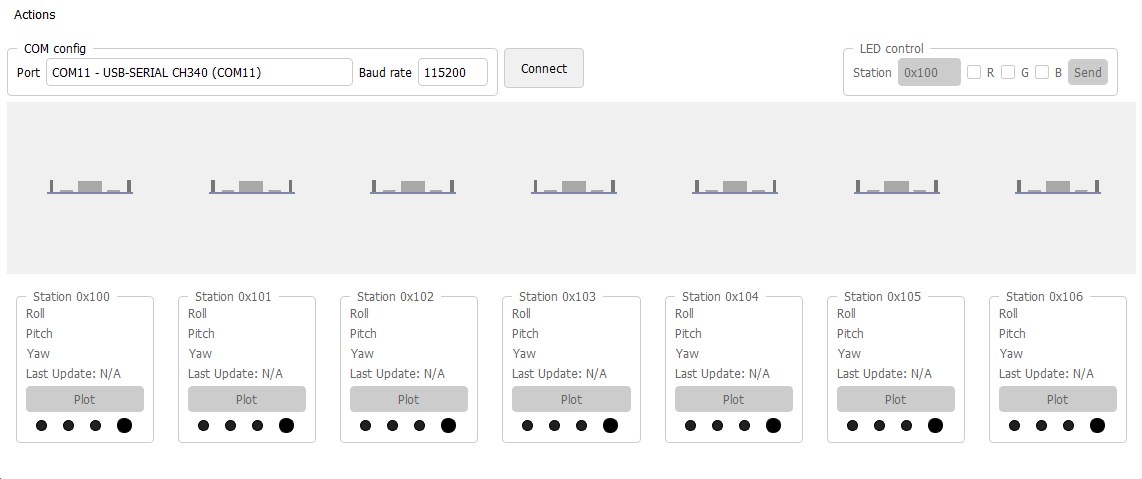
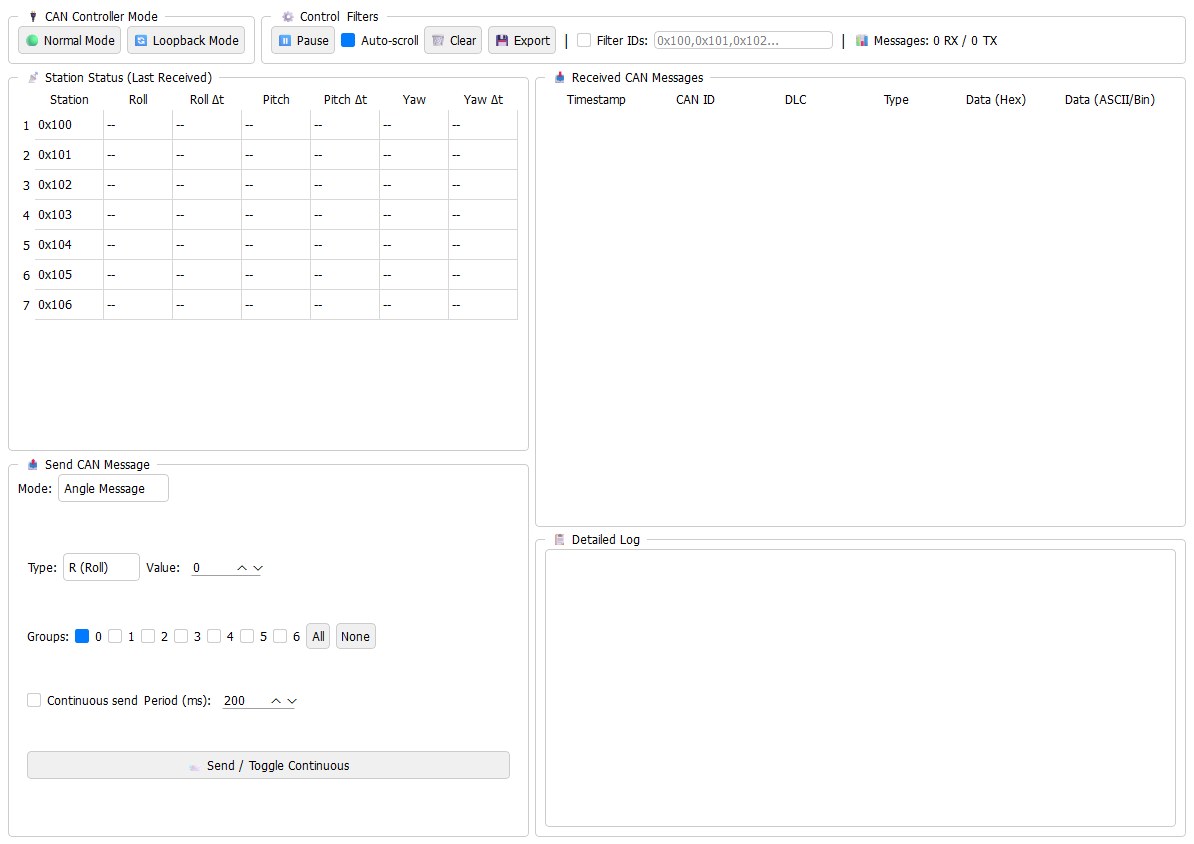
A Python GUI shows a 3D view of the stations and live CAN traffic, and can send messages or drive the RGB LEDs. An advanced window, God Mode, adds filters, logs, and more injection tools. The GUI extends TiltNetworkTool (originally by Juan Francisco Sbruzzi) and canmon. Hardware and software are on GitHub.